

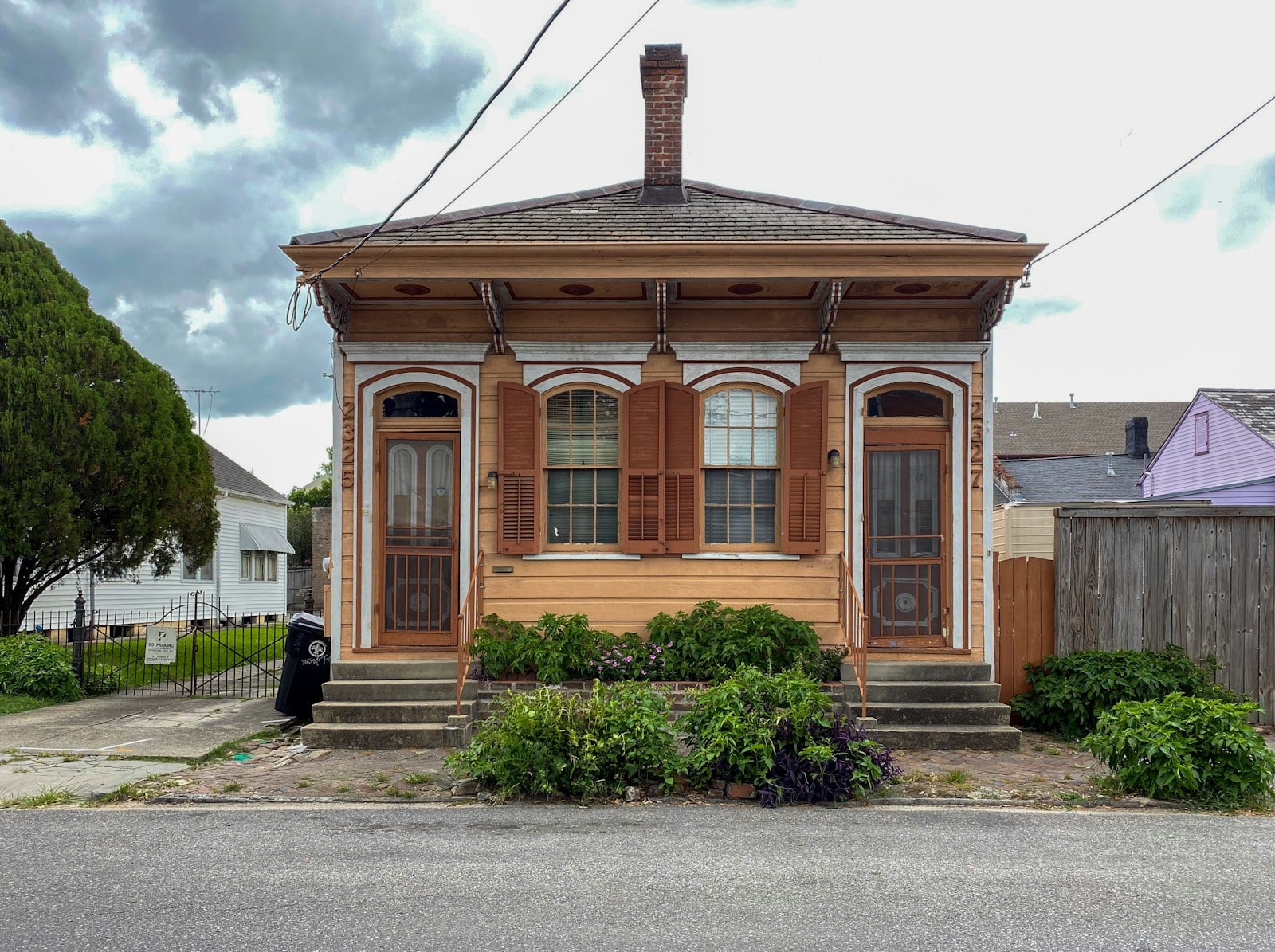
Price per square foot in New Orleans is one of the first numbers buyers check and sellers worry about. It looks simple: divide the price by the square feet, and the lower number wins. But in a city full of camelbacks, raised homes, enclosed porches and converted doubles, two listings can quote square footage that isn’t measuring the same thing. When that happens, the “cheaper” house may not be cheaper at all.
Here’s how to read the number the way an appraiser would, before it steers an offer or a list price.
Price Per Square Foot in New Orleans: Same House, Two Numbers
Imagine a raised Mid-City home listed at $480,000. The main living floor is 2,000 square feet. Below it, at ground level, is a 400-square-foot enclosed room that the seller uses as a den.
| How you count it | Square feet | Price per square foot |
|---|---|---|
| Main floor plus the ground-level room | 2,400 | $200 |
| Main floor only | 2,000 | $240 |
Illustrative numbers only.
Nothing about the house changed. Only the square footage you divided by changed. If the listing uses 2,400 and the house down the street uses only its main floor, the comparison is off before you’ve looked at a single room.
New Orleans Spaces That Blur the Square Footage
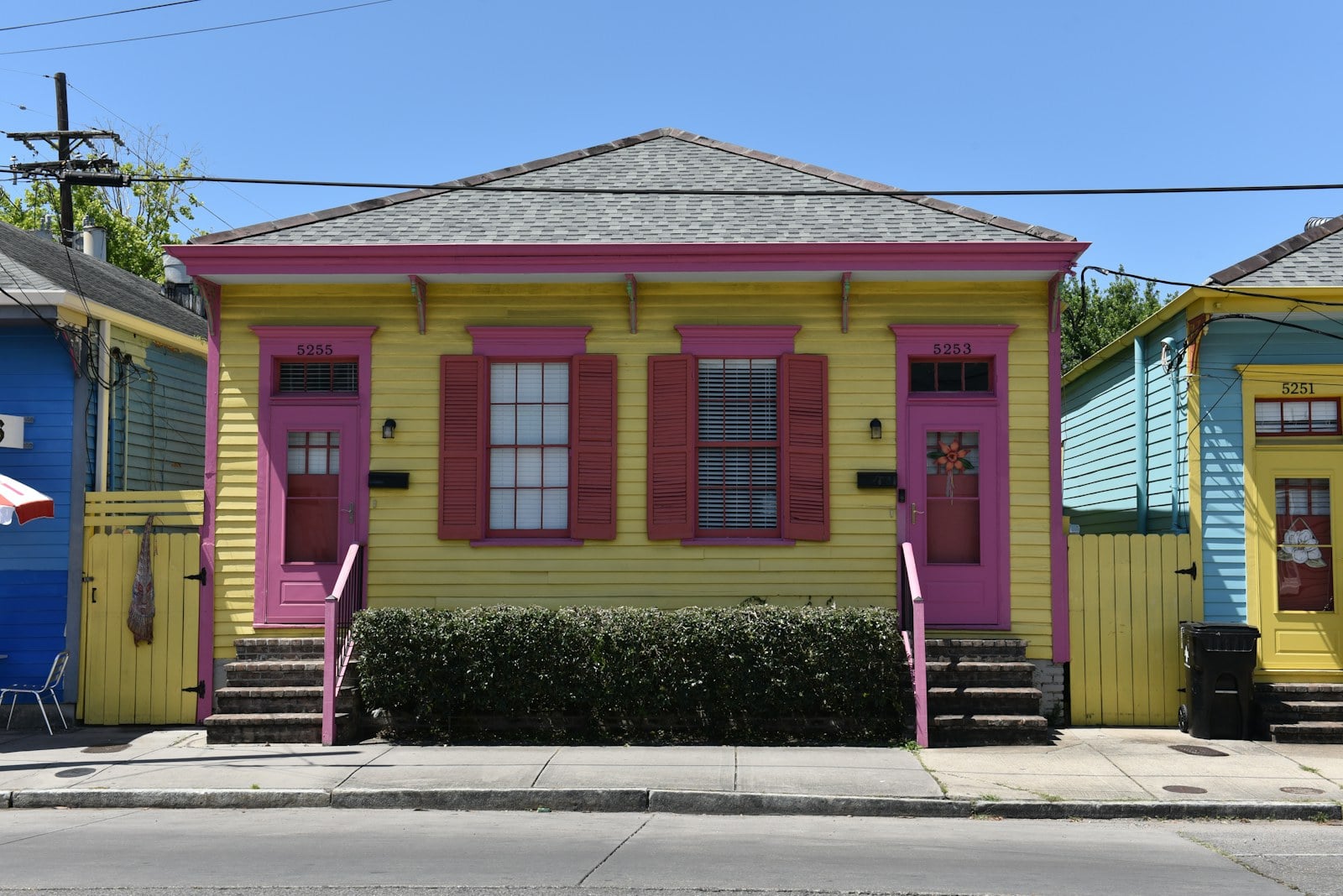
Every market has gray areas. Ours has a few that are very New Orleans.
Camelbacks and attic rooms. A camelback is a shotgun house with a second story added toward the rear, usually holding bedrooms. These upstairs rooms are often under a sloped roof. Under the ANSI measuring standard that appraisers use for Fannie Mae loans, a room needs at least a 7-foot ceiling to count as finished living area. Under a sloped roof, only the part where the ceiling is at least 5 feet high counts, and at least half of that floor area must have a ceiling of 7 feet or more. A cozy upstairs bedroom with a low ceiling might be in the listing’s total but left out of the appraiser’s.
Ground floors under raised homes. Many homes here sit on piers or have been elevated since Katrina. If the home is in a mapped flood zone, federal flood rules generally limit a fully enclosed area below the lowest floor to parking, building access or storage. Turning that space into a den, office or bedroom can raise permit and flood insurance questions, and it may not count as living area. If a listing’s total includes a finished ground-level room, ask about it.
Galleries, porches and enclosed porches. Deep front porches and side galleries add real value and charm, but open porches aren’t heated living area. An enclosed porch is a gray area. Whether it counts depends on whether it’s finished and connected to the rest of the house like the other rooms, and whether it was permitted.
Doubles and converted doubles. A double shotgun is two side-by-side units under one roof. Some are listed by their total square footage, some per side, and some have been converted to a single home. When comparing a double to a single, or a converted double to an original one, make sure the square footage covers the same space, and check how the property is zoned and permitted.
Why Do the Listing, the Assessor and the Appraiser Show Different Square Footage?
It’s common for one New Orleans house to have three different square footage figures. That isn’t always a mistake. Each one comes from a different source with a different purpose.
| Source | Where the number usually comes from | What to know |
|---|---|---|
| The listing | The seller’s records, a past listing, tax records or a measurement | No single measuring standard is required for listings. Ask where the number came from. |
| The assessor’s record | The parish assessor’s data, used for property taxes | It may be outdated, especially after renovations, additions or enclosures. Related read: Louisiana Senior Property Tax Amendments: What Changes. |
| The appraisal | The appraiser’s own measurement | For loans sold to Fannie Mae, appraisers must follow the ANSI Z765 standard, which Fannie Mae began requiring in April 2022. Only finished, above-grade space with enough ceiling height counts as living area. |
Fannie Mae’s rules also say that if any part of a level is below grade, the whole level is reported as below grade, separate from the above-grade living area. Few New Orleans homes have basements, so this rarely comes up here, but it matters if you’re comparing a home on a sloped Northshore lot.
Space that’s reported separately isn’t worthless. Fannie Mae notes that finished rooms reported below grade can add substantially to a home’s value, and appraisers account for them on a separate line. More broadly, any finished space left out of the living-area total can still matter to value. It just isn’t part of the number most price per square foot comparisons use.
Worked Example: Which Home Is Really the Better Buy?
Here’s how mixed-up square footage can flip a comparison. All numbers are illustrative.
| Home A (raised, with ground-level den) | Home B (single-level living) | |
|---|---|---|
| List price | $480,000 | $500,000 |
| Square footage in the listing | 2,400 | 2,200 |
| Price per square foot, as listed | $200 | $227 |
| Main-floor living area only | 2,000 | 2,200 |
| Price per square foot on living area | $240 | $227 |
At first glance, Home A looks like the deal by $27 a square foot. Compare the same kind of space, and Home B comes out ahead.
That still doesn’t settle which home is worth more. Price per square foot divides the price of the whole property, including the lot, location, condition, layout, parking and flood zone, by the size of the house. In New Orleans, a larger lot, off-street parking or a higher elevation can easily justify a higher number. Use price per square foot to organize a comparison, then look at what’s behind it.
Buying? Questions to Ask Before You Compare Price Per Square Foot
- Where did the listing’s square footage come from: a measurement, tax records or a past listing?
- Does it include a ground-level room, an enclosed porch, a garage conversion or a low-ceiling upstairs room?
- Were additions and enclosures permitted?
- Is the home in a mapped flood zone, and is there an elevation certificate?
- Are the homes you’re comparing counting the same kinds of space?
If the square footage could change your offer, settle it early, before your inspection and appraisal deadlines. A measurement by a qualified professional can be money well spent. And when it’s time to write that offer, price is only one part of it. See Why the Biggest Offer Isn’t Always the Best One.
Selling? How to Avoid a Square Footage Surprise
- Know where your number comes from, and be ready to show it.
- List finished living area clearly, and describe other spaces (a ground-floor flex room, an enclosed gallery, a camelback with sloped ceilings) separately.
- Gather permits for additions, enclosures and conversions.
- Expect the appraiser to measure for themselves. A lower figure on the appraisal doesn’t always mean a room was missed. It may just be reported on a different line.
Getting this right up front helps you price to the right comparable sales and avoid a renegotiation after the appraisal.
Frequently Asked Questions
What is a good price per square foot in New Orleans?
There isn’t one number. It varies a lot by neighborhood, lot size, condition, flood zone and the type of home. The most useful comparison is recent sales of similar homes nearby, measured the same way.
Does a camelback count as square footage?
Often, but not always all of it. For appraisals following the ANSI standard, upstairs rooms need enough ceiling height to count as finished living area. Low, sloped-ceiling areas may be left out.
Can I count a finished room under my raised house as living space?
If your home is in a mapped flood zone, federal flood rules generally limit enclosed areas below the lowest floor to parking, building access or storage. Check with your parish’s floodplain office and your insurance agent before counting or creating living space there.
Why is my appraisal’s square footage lower than my listing?
Appraisers measure for themselves and follow specific standards. Space that doesn’t meet the living-area definition is reported separately, not ignored.
Want a Second Opinion on the Numbers?
If you’re comparing homes or getting ready to list, I’m happy to pull recent comparable sales and walk through what’s really behind the square footage. Reach out anytime:
- Alicia Lagarde Craig
- Phone: (504) 382-3724
- Website: www.myNOLAhome.com
Alicia Lagarde Craig, ALC Realty
This post is general information, not legal, tax, appraisal or financial advice. Measurement standards, flood rules and permit requirements vary and can change. Confirm the details for your property with the appropriate professional or local office.