

New Orleans Flood Zones & Flood Insurance Guide
New Orleans Flood Zones and Flood Insurance: A Homebuyer’s Guide
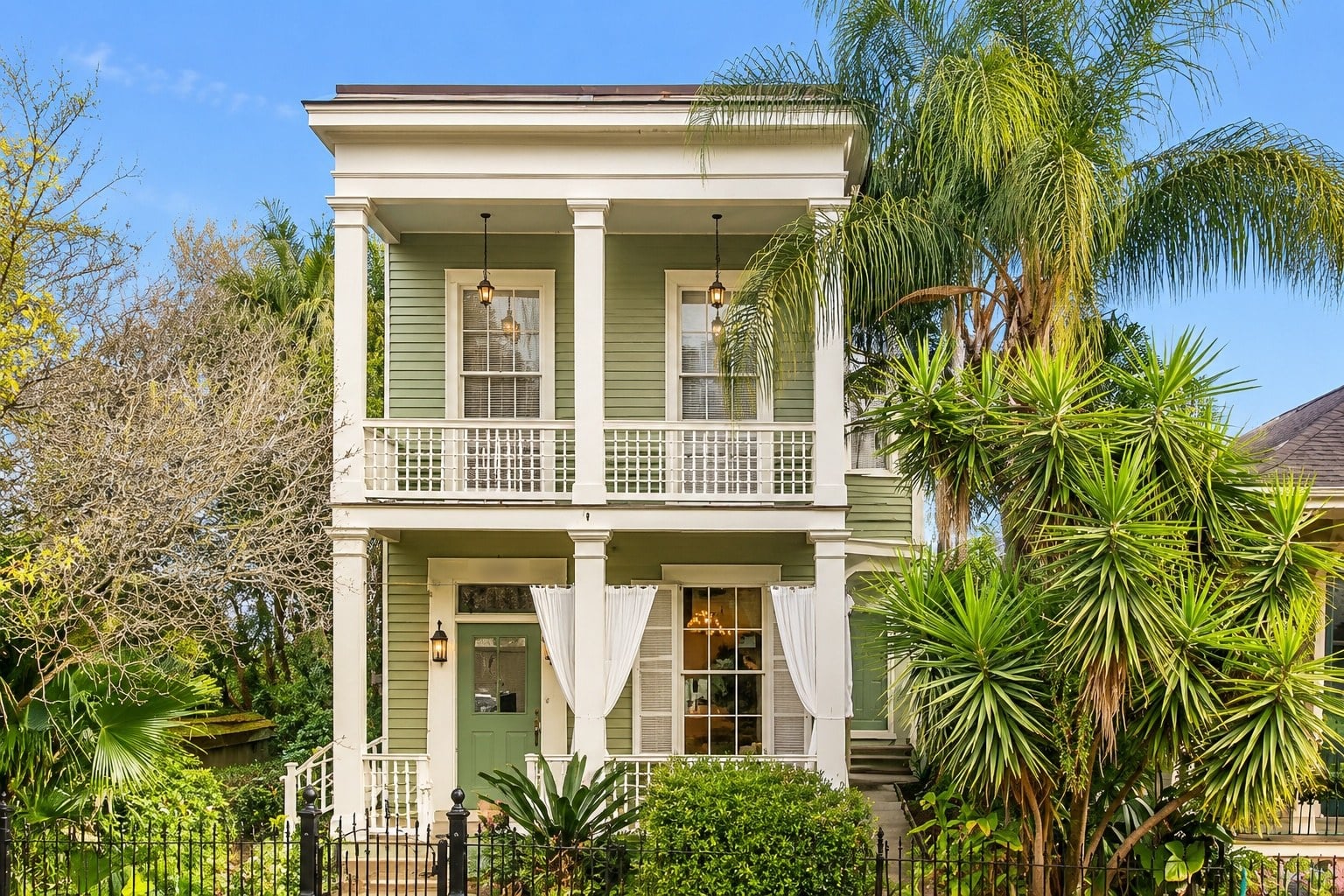
If you are buying a home in New Orleans, flood risk is one of the first questions you should ask, and one of the most misunderstood. The good news is that flood risk can be researched, insured and planned for. This guide walks you through flood zones, elevation, insurance options and the questions to ask before you buy, so there are no surprises at closing.
Quick facts
- Homeowners insurance does not cover flood. Flood coverage is a separate policy.
- Lenders require flood insurance on federally backed loans in high-risk zones (A and V zones).
- NFIP limits: up to $250,000 for the building and $100,000 for contents.
- Waiting period: 30 days for a new NFIP policy, except when purchased with a mortgage closing.
- Policies can transfer: a seller’s NFIP policy can be assigned to the buyer.
- Flooding happens outside high-risk zones too: almost a third of NFIP claims come from lower-risk areas, according to FEMA.
Flood zones, explained
FEMA’s Flood Insurance Rate Maps divide every property into a flood zone. The zone affects whether your lender requires flood insurance and how much it costs.
| Zone | What it means | Flood insurance |
|---|---|---|
| AE / A | High-risk area, with at least a 1% chance of flooding in any year. AE zones have a set base flood elevation (BFE). | Required for federally backed mortgages |
| VE / V | High-risk coastal areas with added danger from storm waves. | Required for federally backed mortgages; usually the most expensive |
| X (shaded) | Moderate risk, between the 1% and 0.2% annual chance flood areas, or areas protected by levees. | Usually optional, often lower cost |
| X (unshaded) | Minimal risk of flooding from rivers or the coast. | Optional, typically the lowest cost |
Much of New Orleans sits behind the region’s levee and pump system, and many neighborhoods are mapped in Zone X. But a Zone X designation doesn’t mean a home can’t flood. Heavy rain can overwhelm drainage on any street, so it’s smart to understand a home’s elevation and flood history no matter what the map says.
How to look up a home’s flood zone
- LSU AgCenter Flood Maps: the LSU AgCenter flood map portal lets you search any Louisiana address to see its flood zone and base flood elevation, and even model what a base flood would look like for a home based on its foundation.
- FEMA Flood Map Service Center: the official source for flood maps at msc.fema.gov.
- Ask your agent: we check the flood zone on every home our buyers consider.
The LSU AgCenter also has a helpful explainer on flood maps and what your flood zone means.
Why elevation matters
In New Orleans, elevation can change from one block to the next. Some of the oldest neighborhoods, like the French Quarter, the Garden District and parts of Uptown, sit on the higher ground along the river, while areas closer to the lake sit lower. Many homes are raised on piers or have been elevated since Hurricane Katrina.
An elevation certificate shows how high a home sits compared to the expected flood level. It can make a real difference in your flood insurance premium. Ask the seller if they have one. If not, it can often be found through the city’s permit office, or a licensed surveyor can prepare a new one.
NFIP vs. private flood insurance
Louisiana homeowners can buy flood insurance through the federal National Flood Insurance Program (NFIP) or from private insurers. Both are sold through licensed insurance agents.
| NFIP | Private flood | |
|---|---|---|
| Building coverage | Up to $250,000 | Often $1 million or more |
| Contents coverage | Up to $100,000 | Often higher limits |
| Waiting period | 30 days (none at a mortgage closing) | Often shorter, depending on the carrier |
| Extra living expenses | Not included | Often included |
| Availability | Available in participating communities, including high-risk areas | Carriers may decline higher-risk homes |
| Transferable to a buyer | Yes | Depends on the carrier |
Since 2021, NFIP premiums have been based on each home’s individual flood risk, considering factors like distance to water, flood frequency, elevation and the cost to rebuild. If a home is worth more than the NFIP limits, ask your agent about excess flood coverage on top of an NFIP policy.
New Orleans also participates in FEMA’s Community Rating System, which rewards the city’s floodplain management with discounts on NFIP premiums for residents.
What flood insurance costs
Every home is priced individually, but here are ballpark annual ranges one Louisiana insurance agency reports seeing:
| Situation | NFIP | Private |
|---|---|---|
| Zone X | About $550 to $900 | About $400 to $700 |
| Zone AE, above base flood elevation | About $850 to $1,400 | About $600 to $1,200 |
| Zone AE, below base flood elevation | About $1,500 to $3,000+ | Varies; some carriers decline |
Source: Chabert Insurance of Baton Rouge. These are estimates only. Your premium depends on the specific home, so always get a quote from a licensed agent.
Your flood checklist when buying a home
- Look up the flood zone and base flood elevation as soon as you find a home you like.
- Ask the seller for the elevation certificate and their current flood insurance declarations page.
- Review the seller’s property disclosure for any past flooding or flood claims.
- Get flood insurance quotes, both NFIP and private, during your inspection period, not the week before closing.
- Ask your insurance agent whether taking over the seller’s NFIP policy would save you money.
- Confirm your lender’s flood insurance requirements before you choose a policy.
- Consider contents coverage, which is a separate coverage with its own deductible.
Don’t forget homeowners insurance
In Louisiana, homeowners insurance (which covers wind and hurricane damage, but not flood) is often a bigger line item than flood insurance. Ask about the hurricane or named-storm deductible, which is usually a percentage of the home’s insured value. Roof age and condition matter too, and a FORTIFIED roof can help lower premiums. Get homeowners and flood quotes at the same time so you can budget for both, and estimate your full monthly payment with our Louisiana mortgage payment calculator.
Why work with ALC Realty
“After 20 years selling homes in New Orleans and on the Northshore, I always tell buyers: don’t let flood zones scare you, let them inform you. We check the flood zone, elevation and insurance costs on every home before you fall in love with it, so you can make a smart decision with no surprises at closing.”
— Alicia Lagarde Craig, ALC Realty
Exploring neighborhoods? See our guide to New Orleans neighborhoods or our guide to relocating to New Orleans or the Northshore.
Flood insurance FAQs
Do I need flood insurance in New Orleans?
If you have a federally backed mortgage and the home is in a high-risk flood zone (zones starting with A or V), your lender will require it. In lower-risk zones like Zone X it’s usually optional, but it’s still worth considering: almost a third of NFIP flood claims come from outside high-risk areas, and a standard homeowners policy does not cover flood damage.
How do I find out what flood zone a New Orleans home is in?
Look up the address on FEMA’s Flood Map Service Center or the LSU AgCenter flood map portal, which shows the flood zone and base flood elevation for any Louisiana property. Your agent or insurance agent can also pull it for you.
What is an elevation certificate?
An elevation certificate is a form completed by a licensed surveyor, engineer or architect that shows how high a building sits compared to the expected flood level. It can lower your flood insurance premium. Ask the seller if they have one, or check with the city’s permit office.
Can I take over the seller’s flood insurance policy?
Yes. A National Flood Insurance Program (NFIP) policy can be transferred from the seller to the buyer. Ask your insurance agent to compare that option with a new policy before closing.
Is there a waiting period for flood insurance?
NFIP policies usually take effect after a 30-day waiting period, but there is no waiting period when the policy is purchased in connection with a mortgage closing. Private flood policies often have shorter waiting periods. Either way, start getting quotes early in your purchase.
What is the difference between NFIP and private flood insurance?
The NFIP is the federal flood insurance program, with building coverage up to $250,000 and contents up to $100,000. Private flood policies can offer higher limits, extra living expenses and shorter waiting periods, and are sometimes less expensive for lower-risk homes, but carriers can decline higher-risk properties. Many buyers compare both.
This guide is for general information only and is not insurance or legal advice. Flood zones, rules and premiums change, so always confirm details with a licensed insurance agent, your lender and official FEMA maps.
Have questions about a specific home?
ALC Realty can help you check the flood zone, find the elevation certificate and connect you with trusted local insurance agents.
Search New Orleans HomesGet My Home’s Value
Or call (504) 382-3724