

Buying a Condo in New Orleans
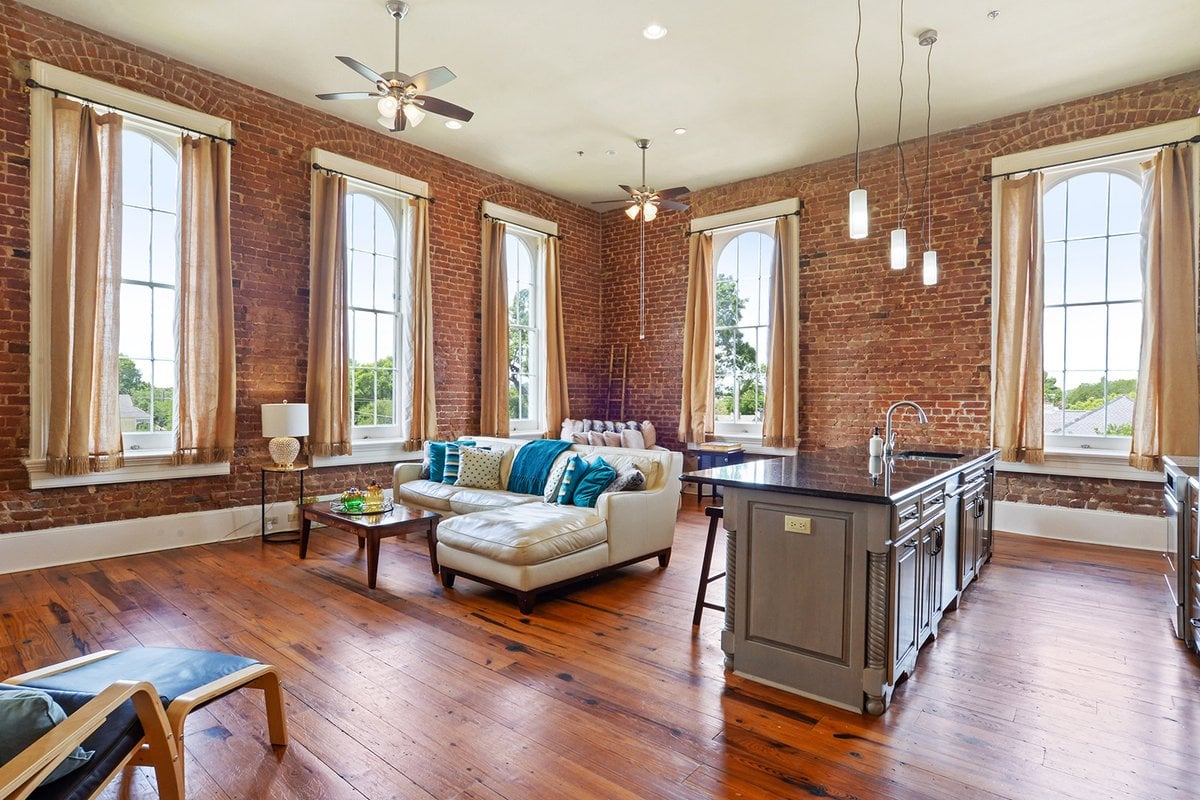
A listing by ALC Realty.
Buying a Condo in New Orleans: A Local Buyer’s Guide
Condos in New Orleans are not like condos anywhere else. Here you can buy a unit in a converted cotton warehouse, a 19th-century orphanage, an old school or a French Quarter townhouse with a shared courtyard. That history is a big part of the charm. It also means every building is different, and the details that matter most (the association’s finances, its insurance and its rules) aren’t things you can see on a showing.
This guide covers what I walk my condo buyers through: where the condos are, what they really cost each month, the documents Louisiana law says you’re entitled to, and the red flags to watch for.
Where to Find Condos in New Orleans
Luxury Spotlight: Four Seasons Private Residences
At the foot of Canal Street on the Mississippi River, the former International Trade Mart, later the World Trade Center New Orleans, was designed by Edward Durell Stone and opened in 1967. After sitting empty for years, it was reborn in 2021 as the Four Seasons Hotel and Private Residences. The top floors hold 92 hotel-serviced condos with river views, and owners can use the hotel’s spa, pool and services. It’s a good example of a building where the condo fees cover far more than a typical association, so ask for a full breakdown. See every Four Seasons residence for sale, then call me and I’ll walk you through what’s available and what the fees cover.
Know the Real Monthly Cost
Your monthly cost is more than the mortgage. Plan for all of these:
- Condo fees (HOA dues). Ask exactly what they cover. Many New Orleans buildings include the master insurance policy, exterior upkeep and common areas. Some also include water, trash, cable or a parking space.
- Your own insurance (an HO-6 policy). This covers your unit’s interior, your belongings and your liability.
- Flood insurance, if your lender requires it or you want it. More on this below.
- Property taxes. Your condo can get the homestead exemption if it’s your primary residence.
Our mortgage payment calculator has a line for condo fees, so you can see the full monthly number. Use the property tax calculator to estimate taxes, and see the homestead exemption guide for how to apply.
Condo Insurance in Louisiana: Who Covers What
This is where condo buyers get surprised most often. In most buildings, the association’s master policy covers the building and the common areas, and your HO-6 policy covers what’s inside your unit. Where that line falls depends on your building’s declaration, so ask for it in writing.
- The storm deductible. Master policies here often carry a large named-storm or wind deductible. After a hurricane, the association may split that cost among the owners as a special assessment.
- Loss assessment coverage. Add this to your HO-6 policy. It can help pay your share of an assessment after a covered loss.
- Flood coverage. Ask whether the building carries a master flood policy (an NFIP Residential Condominium Building Association Policy) and how much it covers. Ground-floor units and buildings in high-risk flood zones need extra attention. Our flood zone and flood insurance guide explains the zones.
Get insurance quotes for the unit during your inspection period, not the week before closing. Ask your agent for the master policy’s declarations page so your insurance agent can quote the HO-6 policy correctly.
The Documents Louisiana Law Says You Get
Under the Louisiana Condominium Act (La. R.S. 9:1124.107), when an owner resells a condo, the seller must give you copies of the condominium declaration, the association’s articles and bylaws, and a certificate showing:
- The current condo fees (common expense assessments)
- Capital expenses the association has approved for this year and the next two years
- The reserve fund balance, including money set aside for specific projects
- The latest balance sheet and income and expense statement
- The current operating budget
- Any unpaid judgments against the association and any lawsuits it’s involved in
- The insurance the association carries
- Any ground lease and how long it has left
If the seller doesn’t provide the certificate in time, the law lets you cancel the contract. You keep that right until five days after you receive the certificate, or until closing, whichever comes first. In Louisiana, condo sales also use the Real Estate Commission’s mandatory condominium addendum to the purchase agreement.
Ask for these too, even though the law doesn’t require them: the last 12 months of board meeting minutes, the most recent reserve study, and the building rules on pets, rentals, renovations and parking.
Red Flags to Look For
- Low reserves. If there’s little money saved for a roof, elevator or exterior work, owners pay later through a special assessment.
- Special assessments, recent or planned. Meeting minutes often mention them before they’re official.
- Fast-rising fees, especially after insurance renewals.
- Lawsuits involving the association or the building.
- Owners behind on their dues. This strains the budget and can make financing harder.
- Deferred maintenance. Check roofs, balconies, ironwork, elevators and drainage, especially in older buildings.
Read the meeting minutes. They tell you what the owners are worried about, from a leaking roof to an insurance increase, long before it shows up in the budget.
Financing a Condo
Not every condo qualifies for every loan, so talk to your lender before you fall in love with a unit.
- FHA loans need an FHA-approved building or a single-unit approval for that unit.
- VA loans need a VA-approved condo project.
- Conventional loans look at the building’s budget, reserves, insurance and owner-occupancy. Lenders call a building that meets the guidelines “warrantable.”
Get pre-approved early and give your lender the building name right away. If you need a lender, Claude Maher with CrossCountry Mortgage works with many of our buyers.
Thinking About Renting It Out?
Check two sets of rules: the city’s and your building’s.
- City rules. New Orleans limits short-term rentals. Most residential areas allow one non-commercial permit per block, awarded by lottery when more than one owner applies. Most of the French Quarter is closed to residential short-term rentals, and the Garden District bans them. These rules change often, so check the City of New Orleans short-term rental office before you buy.
- Building rules. Many condo declarations ban short-term rentals or set minimum lease terms, whatever the city allows. The city also asks you to confirm your association’s rules when you apply.
Other Things to Ask About
- Parking. Is a space deeded, assigned or first-come? In the Quarter and the CBD, parking can add real value.
- Pets. Ask about limits on size, number and breed.
- Renovations. Some buildings require board approval for work inside your unit, and historic districts require approval for exterior changes.
- Move-in rules. Ask about elevator reservations, move-in fees and hours.
Condo Buyer Questions
Can I Get the Homestead Exemption on a Condo?
Yes. If the condo is your primary residence, you can apply for the homestead exemption with your parish assessor. See our homestead exemption guide.
Do I Need Flood Insurance on an Upper-Floor Unit?
Your lender decides whether it’s required. Even on an upper floor, you share the building’s flood risk through the master policy and possible special assessments, so ask how the building is covered.
Can I Put My Condo on Airbnb?
Only if both the city and your condo association allow it. Check the declaration and building rules first, then the city’s permit rules for that address.
Who Pays for a New Roof?
Usually the association, from its reserves or through a special assessment on all owners. That’s why the reserve balance and the meeting minutes matter so much.
Looking at Condos?
I’ve helped buyers and sellers in historic condo buildings all over New Orleans. Call me and I’ll help you read the documents before you commit.
This guide is general information, not legal advice. Have a real estate attorney review your condo documents if you have questions. Sources: Louisiana Condominium Act, La. R.S. 9:1124.107; Louisiana Real Estate Commission mandatory forms; City of New Orleans short-term rental rules (as of 2026).